Why Gear Matters in HYROX
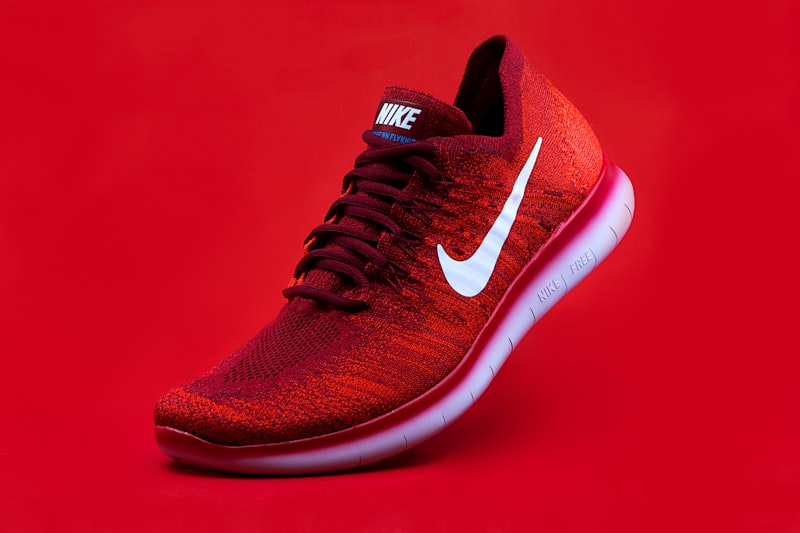
HYROX is not a running race. It is not a lifting competition. It is a hybrid event that punishes gear choices optimized for only one discipline. Every piece of equipment you wear must perform acceptably across running 8km on hard indoor floors, pushing and pulling heavy sleds, gripping kettlebell handles for 200 meters, rowing 1,000 meters, lunging under a loaded sandbag, and throwing a wall ball 100 times overhead. No single shoe, glove, or shirt is perfect for all of that. Your job is to find the best compromise.
What makes gear selection uniquely challenging in HYROX is the constant transition between cardio and strength. In a marathon, you optimize entirely for forward running. In a CrossFit competition, you optimize for varied gym movements with minimal running. HYROX forces you to find equipment that does not fail at either. A running shoe with no grip will slide under sled load. A cross-training shoe with no cushion will batter your feet over 8km. Shorts that ride up during burpee broad jumps become a distraction that costs you focus and seconds at every station.
For beginners, the good news is that gear requirements are minimal. You need shoes, clothes, and possibly gloves. That is the entire list for the race floor. You do not need specialized equipment, expensive tech, or branded race apparel. However, the few items you do bring need to be the right ones. Poor equipment choices can cost the average athlete three to five percent of their total race time. On a 75-minute race, that translates to two or three minutes — the difference between your goal time and a frustrating miss.
As race times get more competitive, gear choices sharpen. An athlete chasing a sub-60-minute finish will notice the difference between a shoe with 70% energy return and one with 50%. An athlete trying to break 90 minutes might not feel that gap as acutely, but will absolutely feel the difference between shoes that grip the floor during sled pushes and shoes that slip. At every level, the principle is the same: the right gear removes obstacles so your fitness determines the result.
The single most important gear principle in HYROX is this: never race in anything you have not trained in. Your race day is not a fashion show — it is a performance. Everything you wear should have been tested through multiple hard training sessions. New shoes cause blisters because the materials have not conformed to your foot shape and movement patterns. New shorts reveal chafing points you never anticipated. New gloves feel different under load than they did when you tried them on in a store. If you buy new gear for race day, wear it through at least four to six weeks of training first. Simulate race conditions: run a kilometer, then go directly into sled work, then grip work. Identify problems when they are inconveniences in training, not disasters on race day.
This extends to every detail. If you plan to tape your thumbs, tape them during training so you know the adhesive holds when your hands are sweating. If you plan to carry a gel in your shorts pocket, run with one there so you know it does not bounce or shift. Race day should introduce zero surprises in your gear. The only new variable should be the atmosphere and the adrenaline.
Running Shoes: The Most Important Decision
Your shoes are the most consequential gear choice you will make for HYROX. They are the only piece of equipment that directly affects both the running segments and every single station. They contact the floor when you push the sled. They absorb impact through 8km of hard indoor surface. They provide the platform for 100 sandbag lunges. Get this decision wrong and everything else becomes harder.
The fundamental challenge is that running shoes and cross-training shoes are designed for opposite priorities. A pure running shoe maximizes cushioning and energy return for straight-line forward motion. It has a higher heel-to-toe drop, a soft midsole, and minimal lateral support. A pure cross-training shoe maximizes ground feel and stability for multi-directional gym movements. It has a low or zero drop, a firm base, and a wider platform. HYROX demands elements of both, and the most successful athletes find a shoe that sits in the middle of this spectrum.
Grip: The Non-Negotiable
Grip is the first priority. Without traction, nothing else matters. HYROX takes place on smooth indoor floors that become sweaty and slick as hundreds of athletes pass through. You need a rubber outsole with a pattern that bites into these surfaces. The sled push is where poor grip becomes dangerous — you are driving maximum force into the floor at a low body angle, and any slip means lost power, wasted energy, and potential injury. The sled pull, burpee broad jumps, and lunges also demand reliable traction. Look for shoes with full-coverage rubber outsoles rather than exposed foam on the bottom. Avoid racing flats or super shoes with smooth, road-optimized soles — they are designed for asphalt, not polished exhibition halls.
Cushioning: The Balancing Act
You need enough cushioning to absorb 8km of impact on unforgiving indoor floors, but not so much that the shoe feels soft and unstable during station work. Overly soft midsoles reduce power transfer during sled pushes because your force compresses the foam instead of driving into the ground. They also create instability during lunges and wall balls, where a planted, firm base helps you move efficiently. Conversely, a shoe with almost no cushion will leave your feet aching by the fourth or fifth run segment, and the accumulating fatigue in your legs will slow you down more than any time lost at stations.
The sweet spot for most athletes is moderate cushioning — enough foam to protect your joints over the full race distance, but responsive enough that you feel connected to the floor during functional work. Midsole technologies that emphasize energy return over plush softness tend to work best. You want the foam to spring back, not sink in.
Heel-to-Toe Drop
Drop refers to the height difference between the heel and forefoot of the shoe, measured in millimeters. A traditional running shoe has a 10-12mm drop, which encourages heel striking and forward propulsion. A cross-training shoe typically has a 0-4mm drop, which provides a flat, stable base for lifting and lateral movements. For HYROX, a medium drop in the 4-8mm range works well for most athletes. This provides enough heel elevation to support efficient running mechanics without raising your center of gravity excessively during station work. If you already run comfortably in low-drop shoes, stay there. If you have always run in high-drop shoes, do not switch to zero drop for HYROX — the adaptation period takes months and rushing it invites injury.
Weight
Lighter shoes make the running segments faster. Every gram on your feet is amplified over thousands of strides. But ultra-lightweight racing flats sacrifice cushioning, durability, and often grip to hit those low weights. For HYROX, a shoe in the 220-280 gram range strikes the right balance. You get meaningful weight savings compared to heavy cross-trainers without giving up the structural features you need for stations. Avoid shoes over 320 grams unless you have a specific stability requirement — that extra weight accumulates over 8km of running and hundreds of station repetitions.
What to Look For: Shoe Categories
Three categories of shoes work well for HYROX, each with different strengths. Lightweight road running shoes with good rubber outsoles offer the best running performance but may feel less stable during heavy station work. Look for models marketed as "versatile" or "daily trainers" rather than pure race-day flats. Cross-training shoes with added cushioning provide the best station performance and grip, but may feel heavier and less responsive during the runs. These work well for athletes whose strength is in the stations and who run at a moderate pace. The third category — hybrid shoes designed specifically for mixed-discipline racing — has grown significantly as HYROX has become more popular. These shoes are built from the ground up to balance running efficiency with functional performance, and they represent the best option for most athletes.
Whatever category you choose, break the shoes in properly. New shoes need at least three to four weeks of regular training to conform to your feet and soften in the right places. Some athletes maintain separate training and race pairs — training in a slightly heavier, more durable model and racing in a lighter version. This approach works if both shoes have similar geometry, but switching to a completely different shoe design on race day defeats the purpose of training specificity. Your race shoes should log at least 50-80km in training before race day.
Replace your shoes when the midsole cushioning feels flat or the outsole grip has worn smooth. For most athletes training three to five times per week, this happens every four to six months. Racing in worn-out shoes is a false economy — the time you lose from reduced energy return and compromised grip far outweighs the cost of a fresh pair.
Gloves: Protecting Your Grip
Gloves are the most debated gear choice in HYROX. Some athletes swear by them; others refuse to race with anything on their hands. The answer depends on your grip strength, your skin tolerance, and which stations you find most challenging. Understanding the trade-offs helps you make a decision that actually improves your race rather than creating new problems.
The Case for Gloves
The sled pull is where gloves earn their place. You are pulling a heavy sled 50 meters using a rope, hand over hand, with your full bodyweight driving backward. Without gloves, the rope friction tears into your palms. Even calloused hands can develop raw spots or blisters partway through, which then affect your grip on every subsequent station. Gloves create a consistent, high-friction interface between your hands and the rope that protects skin while maintaining pulling power.
The Farmers Carry is the other station where gloves transform the experience. Carrying heavy kettlebells for 200 meters challenges your grip endurance as much as your core and legs. Gloves with a thin silicone or textured palm reduce the force your fingers need to exert to maintain hold, effectively shifting the limiting factor from your hands to your cardiovascular system and lower body — which is where you want it.
Gloves also help during the SkiErg and rowing, where sweaty palms can cause your hands to slide on the handles. This sliding forces you to grip harder, which fatigues your forearms faster and reduces your pulling efficiency. A light-grip glove eliminates this problem without adding bulk.
The Case Against Gloves
Gloves reduce tactile feedback. During wall balls, you need to feel the ball settle into your hands at the bottom of each rep to maintain a consistent catch-and-throw rhythm. Thick gloves create a buffer that makes the ball feel distant, and some athletes find they need to grip harder to compensate — the opposite of the intended benefit. If your gloves are too bulky, wall balls become noticeably less efficient over 100 reps.
There is also the transition factor. If you wear gloves for some stations and not others, you spend time putting them on and taking them off in the Roxzone. Those seconds add up across eight transitions. Most athletes who wear gloves keep them on for the entire race, which means finding a pair that works acceptably for all stations rather than perfectly for one.
Choosing the Right Gloves
Full-finger gloves provide the most coverage and protection but can feel warm and restrict finger dexterity. They work best for athletes who prioritize skin protection above all else. Fingerless gloves expose your fingertips for better tactile feedback on wall balls and kettlebells while still protecting the palm. This is the most popular choice among competitive HYROX athletes. Palm-only grip pads offer minimal coverage with maximum feel, but they can shift during high-rep movements and do not protect the fingers during rope pulls.
Material matters. Thin synthetic fabrics with silicone-printed palms offer the best combination of grip, breathability, and low bulk. Leather gloves are durable but absorb sweat and become heavy and slippery when wet — the opposite of what you need. Neoprene provides water resistance but traps heat. For HYROX, choose breathable mesh backs with a thin, textured palm surface. The glove should feel like a second skin, not a barrier.
Fit is critical. A glove that is too loose will bunch up in your palm and create pressure points. A glove that is too tight will restrict blood flow and reduce grip endurance. You should be able to make a full fist without the material pulling, and open your hand flat without excess fabric wrinkling. When in doubt, size down — most performance gloves stretch slightly after a few sessions.
Alternatives to Gloves
Chalk is the traditional grip enhancer, but HYROX venues have restricted chalk use in recent seasons. Some events provide chalk stations, but supplies can run out during busy waves. You cannot rely on chalk being available when you need it, which makes gloves a more dependable option. Liquid chalk, applied before the race, provides a base layer of grip that lasts longer than dry chalk but still wears off during heavy sweating.
Athletic tape wrapped around the thumbs and across the palms provides targeted protection without covering the entire hand. This works well for athletes who only need help at the sled pull and want bare hands elsewhere. The downside is that tape can peel off when wet and leave adhesive residue that actually reduces grip.
The best long-term alternative to gloves is building grip strength and callus tolerance through training. Pull heavy ropes, carry kettlebells, and row without gloves in training to build the skin toughness and grip endurance that reduce your dependence on external aids. If you can complete race-weight stations bare-handed in training, gloves on race day become a comfort choice rather than a necessity — and that is the strongest position to be in.
Whatever you choose, test it during training sessions that simulate race intensity. Put on your gloves after a hard run and immediately grip a rope or kettlebell handle with sweaty hands. If the gloves slip, lose shape, or cause discomfort under those conditions, they will fail you on race day.
Apparel: What to Wear on Race Day
The clothing you race in needs to do three things well: manage sweat, resist chafing, and stay out of your way during dynamic movements. HYROX races take place indoors in large exhibition halls filled with hundreds of athletes, spectators, and bright lighting. Venue temperatures climb steadily through the day. By the time you are deep into your race, the environment is warm and humid. Dress for the hottest point of your race, not for how the venue feels when you arrive.
Fabric: The Only Rule That Matters
Wear synthetic moisture-wicking fabrics. Polyester, nylon, and spandex blends pull sweat away from your skin and allow it to evaporate. This keeps you drier, lighter, and less prone to chafing. Cotton does the opposite — it absorbs sweat, holds it against your skin, becomes heavy, and turns every seam into a friction point. By station three in a cotton shirt, you will feel like you are wearing a wet towel. By station six, that wet towel will have rubbed raw patches across your shoulders and under your arms. There is no scenario where cotton is the right choice for HYROX.
Merino wool blends offer excellent temperature regulation and natural odor resistance, but they are heavier than synthetics and dry more slowly. For HYROX, the speed-of-drying advantage of synthetic fabrics outweighs merino's comfort benefits. Save the merino for outdoor events in variable weather.
Tops
A fitted technical tank top or short-sleeve shirt is the standard for most HYROX athletes. Fitted means it follows your body without excess material that can bunch, flap, or catch on equipment. It does not mean compression-tight — you need enough room to move freely through a full range of motion during wall balls and SkiErg strokes.
Pay attention to seam placement. During sandbag lunges, the bag sits on your shoulders and upper back. Any raised seam, zipper, or decorative stitching in that zone will dig into your skin under the weight of the bag over 100 meters of lunges. Choose shirts with flat-lock seams or seamless shoulder construction. Avoid shirts with zip pockets, reflective patches, or any rigid elements across the upper back and shoulders.
Sleeveless tops offer better temperature regulation and freedom of movement for overhead work. Short sleeves provide slightly more coverage against the sandbag. Either works — choose based on what you have trained in.
Bottoms
Your choice of shorts or tights affects comfort during running, lunges, and every station that involves hip flexion. There are three main options, each with legitimate advantages.
Shorts with a built-in compression liner are the most popular choice. The outer shell provides freedom of movement while the liner prevents chafing along the inner thigh. Choose a length that provides thigh coverage where the sandbag might contact your legs during lunges — a 7-inch inseam or longer works for most athletes. Avoid shorts that ride up during running, which forces you to constantly pull them down and breaks your rhythm.
Full-length compression tights provide the most coverage and muscle support. They eliminate all skin-to-skin and skin-to-equipment friction, which makes them the best choice for athletes prone to chafing. The compression also provides a small degree of muscle stabilization during lunges and carries. The downside is heat retention — tights are warmer than shorts, and in a hot venue, that extra warmth becomes noticeable in the later stages of the race.
Three-quarter-length tights offer a middle ground: thigh coverage and compression where you need it, with exposed calves for better ventilation. These have become increasingly popular among HYROX athletes in warmer venues.
Regardless of length, look for a waistband that stays in place without requiring adjustment. A drawstring or wide elastic band that grips your hips prevents your bottoms from shifting during dynamic movements. Constantly pulling up your shorts during burpee broad jumps is a distraction that costs energy and focus.
Socks
Socks matter more than most athletes realize. Moisture-wicking synthetic or merino blend socks prevent the moisture buildup that causes blisters. Avoid cotton socks entirely. Choose a medium-cushion sole for impact absorption without making your shoes feel too tight. Crew-length or mid-calf socks provide a layer of protection for your shins, which can take contact during sled work and lunges. Ankle socks leave the shins exposed, which is fine if you do not find shin contact to be an issue in training.
Temperature Management and Chafe Prevention
When you arrive at the venue, the hall may feel cool. By the time your wave starts, your warm-up will have raised your body temperature. Within the first two run-station cycles, the combination of exertion and venue heat means you will be at peak temperature. Dress for that peak, not for the cool arrival. If you need layers for the warm-up, bring a throwaway top or a light hoodie you can leave in your bag before your wave starts.
Anti-chafe balm is an essential item for race day. Apply it generously to every area where skin contacts skin or equipment contacts skin: inner thighs, underarms, nipples, the base of the neck where the sandbag sits, and the top of your feet where shoe edges may rub. Common HYROX chafing points that athletes underestimate include the area where your sports bra band sits under load, the inner upper arm where it contacts your torso during running, and the waistband line where sweat accumulates.
Pack a complete change of dry clothes in your bag for after the race. You will be soaked with sweat, and standing around in wet race clothing while your body temperature drops rapidly is uncomfortable and increases your risk of getting sick. A dry shirt, fresh underwear, warm pants, and a jacket make the post-race experience dramatically better.
Watches and Tracking Devices
A watch is not essential for completing a HYROX race — the event provides official timing for everyone. But a watch with the right features gives you real-time feedback that helps you pace intelligently, avoid blowing up early, and execute the race strategy you planned in training. The difference between a smart race and a survival march often comes down to knowing your splits as they happen.
The Feature That Matters Most: Lap Timer
The single most useful watch function for HYROX is a manual lap button. Each time you exit the Roxzone and begin a 1km run, you press the lap button. Each time you enter a station, you press it again. This gives you a running record of your split for every segment of the race — every run and every station — which you can compare against your target times in real time.
This matters because pacing in HYROX is subtle. Going 15 seconds too fast on your first three runs feels easy in the moment but can cost you minutes on runs six through eight when accumulated fatigue catches up. If you know your target 1km pace, the lap timer tells you immediately whether you are on plan or drifting. It is the difference between reacting to problems as they emerge and discovering them when it is too late.
Set your watch to display elapsed lap time in a large, easily readable format. During the run, a quick glance should tell you exactly where you stand. During stations, the timer tells you how long you have been working, which helps you gauge effort against your training benchmarks.
Heart Rate Monitoring
Heart rate data helps you regulate effort, particularly during the runs. Most HYROX athletes race the runs at around 80-88% of their maximum heart rate, saving capacity for station work. If your heart rate spikes above 90% during an early run, the watch tells you to ease off before your legs make the decision for you by shutting down at station five.
Wrist-based optical heart rate sensors work reasonably well during running but become less accurate during grip-intensive stations. When you are squeezing a kettlebell handle or pulling a rope, the pressure and muscle contraction around your wrist disrupts the optical sensor's ability to read your pulse. Heart rate data during the Farmers Carry, sled pull, and SkiErg should be interpreted loosely. If you want accurate heart rate data across the entire race, a chest strap paired via Bluetooth to your watch provides significantly more reliable readings. Chest straps stay in place during all station movements and are not affected by wrist pressure changes.
GPS: Mostly Irrelevant Indoors
GPS is designed for outdoor use and performs poorly in indoor venues. The signals bounce off walls and ceilings, producing inaccurate distance and pace readings. Your watch might show you ran 0.7km when you actually ran 1km, or display a pace that fluctuates wildly between impossibly fast and absurdly slow. Do not rely on GPS distance or pace for indoor HYROX races. Instead, pace by time. If you know your target 1km split is 5:00, use the lap timer to hit that time rather than chasing a distance reading that your watch cannot accurately measure indoors.
Disable GPS before an indoor race to save battery life and reduce confusing data on your post-race analysis. Some watches have an indoor running mode that uses the accelerometer instead of GPS for distance estimation — this is more accurate than GPS indoors but still not precise. Time-based pacing remains the most reliable approach.
Setting Up Your Watch for Race Day
Prepare your watch before you arrive at the venue. Turn off auto-lap, which triggers at preset distances — since GPS distance is unreliable indoors, auto-lap will fire at random times. Set the display to show elapsed lap time, total elapsed time, and heart rate on a single screen. If your watch supports custom data screens, configure one specifically for HYROX so you are not scrolling through pages during the race. Start the activity timer when your wave begins and hit the lap button at each run-to-station and station-to-run transition. After the race, you will have a complete breakdown of every segment.
Budget Options and What to Skip
You do not need a premium multisport watch for HYROX. A basic digital sports watch with a lap timer and stopwatch provides the most important function — time-based pacing — for a fraction of the cost. If your watch has a lap button and a readable display, it is good enough.
Do not bring your phone onto the race floor. Phones are bulky, fragile, and create a distraction. You will not check them during the race, and the risk of dropping or damaging your phone during station work is not worth whatever data it might collect. If you want to record your race for social media, ask a spectator to film or rely on event photographers. Leave the phone in your bag.
Smartwatches with touchscreens can be problematic if sweat activates the screen during station work. If your watch has a screen lock function, enable it so accidental touches do not pause your activity or switch data screens mid-race. Physical button controls are more reliable than touchscreens in wet, high-intensity conditions.
Essential Accessories
Beyond shoes, gloves, and clothing, a handful of smaller items can meaningfully improve your race day experience. None of these are mandatory, but each solves a specific problem that you will encounter at some point during the event.
Athletic Tape
Rigid athletic tape or zinc oxide tape applied to your thumbs and the base of your palms provides targeted protection during the sled pull and wall balls. During sled pull, the rope drags across the web of your thumb and the heel of your palm with significant friction. Tape creates a protective barrier without adding the bulk of a full glove. For wall balls, tape on the thumbs prevents the skin from tearing during the catch phase when the ball impacts your hands 100 times in succession.
Apply tape before your warm-up so it has time to adhere and so you can confirm it stays in place during movement. Use a pre-wrap layer if the adhesive irritates your skin. Tear or cut your tape strips in advance and stick them lightly to your water bottle or bag for quick application — do not waste time fumbling with a roll at the venue. If you tend to sweat heavily from your hands, apply a thin layer of liquid chalk or a skin-prep wipe before taping to improve adhesion.
Foam Roller and Massage Ball
A small foam roller or a lacrosse ball takes minimal bag space and serves double duty. Before the race, use it to loosen your calves, quads, hip flexors, and upper back during your warm-up. Tight muscles perform worse under load, and five minutes of targeted rolling can improve your range of motion for lunges and wall balls. After the race, gentle rolling helps begin the recovery process and reduces the severity of delayed onset muscle soreness in the following days. A compact travel-sized roller or a simple massage ball is all you need — leave the full-length foam roller at home.
Nutrition and Hydration
Bring a water bottle to sip during your warm-up and in the transition areas if accessible. During the race itself, most athletes do not stop to drink — the race is typically too short and intense for dehydration to become a limiting factor for anyone who hydrated properly in the hours before their wave. If you are racing longer than 90 minutes, a small gel flask or one or two energy gels tucked into a shorts pocket can provide a mid-race boost. Consume them during a run segment rather than at a station — running is the lowest-skill portion of the race and the easiest time to open a gel and take it in without losing efficiency.
If you plan to carry nutrition, practice running with it in the exact pocket you will use on race day. A gel that shifts around or bounces in an unsecured pocket becomes an irritation that nags at you for eight kilometers. Some athletes use a thin race belt with a small pouch to hold gels, but this adds another item to your body that can shift, bounce, or chafe. Test any carrying system during training.
Towel and Personal Care
Pack a small microfiber towel. You will use it to dry your hands before taping, to wipe sweat during your warm-up, and to clean up after the race. A full-size bath towel is unnecessary — a hand-towel-sized microfiber cloth absorbs enough moisture and packs down to almost nothing. Include any personal items you need for comfort: hair ties, a headband to keep sweat out of your eyes, deodorant, and a plastic bag for wet race clothes after you change into dry gear.
Your Race Day Bag
You need a bag large enough to hold your race gear, warm-up layers, post-race clothing, nutrition, accessories, and personal items. A standard gym backpack or duffel in the 30-40 liter range is sufficient. Organize it the night before your race so that race-critical items — shoes, race bib, timing chip, gloves, tape — are on top or in an easily accessible pocket. Items you need after the race — dry clothes, towel, phone charger — go on the bottom.
Pack the night before. Not in the morning. Morning packing under race-day nerves is how athletes forget their timing chip, their gloves, or their race shoes. Lay out every item you plan to bring, confirm it against a checklist, then pack it in an organized order. When you arrive at the venue, you should be able to find any item in your bag within seconds.
Most HYROX venues offer a bag drop area or spectator section where you can leave your belongings. Lockers may or may not be available depending on the venue. Do not bring valuables you cannot afford to leave unattended. Your phone, wallet, and car keys should go in a zippered internal pocket of your bag. Some athletes bring a small padlock for lockers when available. Leave expensive electronics, jewelry, and anything irreplaceable at home or locked in your vehicle.
What NOT to Bring
Knowing what to leave behind is as important as knowing what to bring. Excess gear creates physical burden, mental distraction, and transition delays. The athletes who race most efficiently carry the least on their bodies. Here is what to leave at home or in your bag.
Headphones
Most HYROX events prohibit headphones on the race floor. Even at events that permit them, headphones are a liability. Earbuds fall out during burpee broad jumps and wall balls. Over-ear headphones shift during running and trap heat. Wired headphones catch on equipment. Wireless earbuds end up on the floor where they get stepped on by other athletes. The race floor is loud with music and commentary — you will not miss your playlist, and you lose the ability to hear marshals, other athletes, and the energy of the crowd. Leave them in your bag.
Weightlifting Belts
A thick leather or nylon lifting belt restricts your ability to breathe deeply during running and limits the range of motion through your torso during SkiErg, rowing, and wall balls. The loads in HYROX are high-repetition and moderate-weight — they do not require the spinal stabilization that a belt provides during heavy deadlifts or squats. If your core cannot support the sandbag lunge or Farmers Carry weights without a belt, the solution is more core training, not more equipment. A belt also shifts and digs into your hips during running, creating a new source of discomfort that gets worse with every kilometer.
Wrist Wraps and Knee Sleeves
Wrist wraps are designed for heavy overhead pressing and handstand movements. HYROX has no overhead barbell work. Wraps restrict wrist mobility, which hurts your wall ball catch and release, and they interfere with grip transitions between the rope pull and other hand-intensive stations. Unless you have a specific wrist injury that requires support, leave them out.
Knee sleeves provide warmth and mild compression, and some athletes use them successfully in HYROX. However, they add heat, can slide down during running, and need to be pulled back into position during transitions. If you train with knee sleeves regularly and they stay in place during running, keep them. If you are considering them for the first time on race day, do not.
Excessive Nutrition
You do not need six gels, a bag of dried fruit, a protein bar, and electrolyte tablets for a 60-90 minute race. Over-fueling mid-race causes stomach distress, and carrying excess nutrition in your pockets or on a race belt adds unnecessary weight and distraction. For races under 75 minutes, most athletes perform well on pre-race nutrition alone. For races between 75 and 120 minutes, one or two gels are sufficient. Anything beyond that is insurance you will not need and bulk you will notice.
Brand-New Anything
This point cannot be repeated enough. New shoes blister. New shorts chafe. New gloves fit differently under load than they did in the store. New socks bunch. New tape peels. If you have not tested it in at least three hard training sessions, it does not belong on the race floor. Every item on your body should be a known quantity with a proven track record in your training.
Jewelry
Rings dig into your fingers during Farmers Carry and sled pull, and they create painful pressure points against kettlebell handles. Necklaces bounce and can land in your mouth during burpees. Watches are acceptable if they are what you trained in, but bracelets and loose accessories are distractions. Remove everything except your watch and your race timing chip.
Your Race Day Gear Philosophy
The athletes who perform best in HYROX share a common approach to gear: invest in excellent shoes, test everything in training, minimize what you carry, and focus on function over appearance. Your race outfit does not need to look good on social media — it needs to survive 8km of running, eight functional stations, and an hour or more of continuous effort without creating a single problem you did not anticipate.
Simplicity is the ultimate strategy. Every item you add to your body is something that can shift, chafe, break, or distract. The fewer things you carry, the fewer things can go wrong. Reduce your race-floor gear to the essentials: shoes, socks, shorts, shirt, and optionally gloves and tape. Everything else stays in the bag.
Here is your packing checklist for race day:
- Race essentials: Bib, timing chip, safety pins
- Footwear: Race shoes (broken in), race socks
- Apparel: Technical top, shorts or tights, sports bra (if applicable), underwear (if not built into shorts)
- Grip support: Gloves or athletic tape (tested in training)
- Body care: Anti-chafe balm, sunscreen (if venue has outdoor warm-up area)
- Nutrition: Water bottle, one or two gels (if racing over 75 minutes)
- Warm-up: Foam roller or massage ball, light layers for warm-up
- Post-race: Dry clothes, towel, snack, phone charger
- Logistics: Phone, wallet, ID, venue directions, wave time confirmation
Pack the night before. Confirm every item. Race with confidence that your gear will not let you down — so the only thing that determines your time is your fitness and your will.