Why Train at Home for HYROX
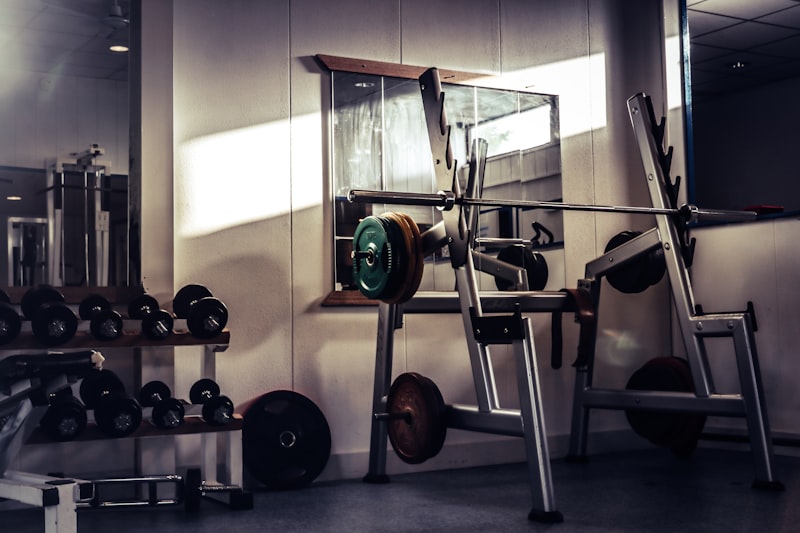
Most HYROX athletes do not need a fully equipped commercial gym to get race-ready. A well-planned home setup can cover the vast majority of your training needs, and in many cases it produces better results than a gym membership alone.
The single biggest factor in HYROX performance is consistency. It does not matter how perfect your equipment is if you only train three times a week when you need five. Home training removes the most common barrier to consistency: travel time. There is no commute, no waiting for equipment, no adjusting your schedule around class times. Your training space is ten seconds away. That accessibility translates directly into more sessions completed per week, more volume accumulated over a training block, and better race-day results.
Convenience aside, home training offers something most commercial gyms cannot: dedicated HYROX-specific practice without compromise. Try doing 100 wall balls in a row at a busy gym on a Monday evening. Try walking 200 meters with heavy kettlebells through a crowded floor. Try setting up a sandbag lunge lane anywhere near the squat racks. In a home setup, the space is yours. You can practice station movements at race pace, in race order, without interruption.
There is also a financial argument. A mid-range gym membership costs $40-80 per month. Over two years, that is $960-1,920. HYROX-specific class fees at affiliate gyms can run $150-250 per month. For the cost of one year of specialized classes, you can build a home gym that will last a decade. The upfront investment is real, but the long-term economics strongly favor home equipment, particularly if you plan to race HYROX for multiple seasons.
That said, home training has limitations that deserve honest acknowledgment. The sled push and sled pull are the two most equipment-dependent stations in HYROX, and they are difficult to replicate accurately at home without significant space and investment. The sled push in particular requires a heavy weighted sled and a smooth surface to push it across. While DIY alternatives exist, nothing fully replaces the feeling of driving 152kg across a competition floor.
The most effective approach for the majority of athletes is a hybrid model. Do 70-80% of your training at home, covering running, rowing or SkiErg work, kettlebell carries, sandbag lunges, wall balls, and general conditioning. Then visit a gym or HYROX affiliate once per week or every two weeks specifically for heavy sled work. This gives you the consistency advantage of home training while still getting meaningful practice on the stations that require specialized equipment. Many athletes who follow this hybrid structure report that their training frequency increases by one to two sessions per week compared to gym-only training, simply because the friction of starting a workout drops to nearly zero.
Essential Equipment for HYROX Training
Not all equipment is created equal when it comes to HYROX preparation. Some pieces directly replicate race stations. Others build the conditioning and strength that underpins your performance across all eight stations and eight kilometers of running. Here is a breakdown of the most valuable home equipment, listed in order of priority for a HYROX athlete.
Sandbag (10-20kg Adjustable)
An adjustable sandbag is the single most versatile piece of HYROX-specific equipment you can own. It directly replicates station 7, the Sandbag Lunges, where men carry a 20kg bag and women carry a 10kg bag across 100 meters of lunges. Beyond race simulation, a sandbag provides unstable loading that builds grip strength, core stability, and shoulder endurance in ways that barbells and dumbbells cannot. Use it for sandbag cleans, bear-hug carries, over-shoulder throws, and loaded squats. A quality adjustable sandbag with multiple filler bags costs $40-80 and will be one of the most-used items in your home gym. Look for models with multiple handles and reinforced stitching. BRUTE Force, Rogue, and Rep Fitness all make durable options.
Wall Ball (6kg or 9kg)
Station 8, Wall Balls, is the final test in every HYROX race: 100 repetitions throwing a weighted ball to a target. Men use a 9kg ball aimed at a 3-meter target, women use a 6kg ball aimed at a 2.7-meter target. This station comes after seven other stations and seven kilometers of running, so it punishes poor conditioning ruthlessly. Having a wall ball at home allows you to practice this movement regularly, which is critical because wall ball efficiency comes from repetition. A standard wall ball costs $30-60 depending on weight. The main requirement is a wall or outdoor surface with enough height for a target — more on that in the space requirements section below.
Kettlebells (Pair at Race Weight)
Station 6 is the Farmers Carry: 200 meters carrying two kettlebells. Men carry 2x24kg, women carry 2x16kg. Owning a pair at your race weight allows you to practice under exact competition conditions. Beyond carries, kettlebells are arguably the most versatile strength tool available — swings for hip power and conditioning, goblet squats for leg strength, Turkish get-ups for shoulder stability, and single-arm rows for back strength. A pair of competition-weight kettlebells runs $80-160 depending on brand and quality. Cast iron kettlebells from brands like CAP Barbell or Amazon Basics are serviceable at the lower end. If budget allows, powder-coated kettlebells from Rogue or Kettlebell Kings offer a better grip surface and longer lifespan.
Concept2 RowErg
Station 5 is a 1,000-meter row on a Concept2 machine. The RowErg is the single most expensive piece of HYROX home equipment, retailing at approximately $990 new. It is also the single most valuable. Rowing is a full-body conditioning exercise that builds the aerobic base, leg drive, and back strength that translate across every station and every kilometer of running. The Concept2 RowErg is the exact machine used in competition, so training on one at home means zero equipment adjustment on race day. A new RowErg with standard legs costs around $990. Secondhand units regularly appear on Facebook Marketplace, Craigslist, and eBay in the $600-800 range. Concept2 machines are built to last decades with minimal maintenance, so a used unit is an excellent investment.
Concept2 SkiErg
Station 1, the SkiErg, opens every HYROX race with 1,000 meters of upper-body pulling. The Concept2 SkiErg replicates this exactly and offers a wall-mounted option that takes up minimal floor space. New units cost approximately $800-950. The SkiErg builds powerful lat, tricep, and core endurance and doubles as a brutal conditioning tool for interval training. For athletes who can only afford one Concept2 machine, the RowErg typically takes priority because rowing has broader training applications. But for athletes who want to cover both stations accurately, adding a SkiErg completes the picture.
Pull-Up Bar and Resistance Bands
A doorframe pull-up bar ($20-40) and a set of resistance bands ($15-30) round out a highly effective home setup. Pull-ups develop the lat and grip strength essential for the SkiErg and sled pull. Heavy resistance bands attached to a post or anchor point simulate the sled pull motion and provide progressive resistance for rows, presses, and hip hinges. These low-cost additions punch well above their price in terms of training value.
Budget Tiers: From Minimal to Complete
Your home gym does not need to appear overnight. Start with what you can afford, train hard with it, and add pieces over time. Here are three tiers that cover every budget level, from university student to dedicated home gym builder.
Tier 1: Minimal Setup ($100-200)
This tier gets you started with meaningful HYROX-specific training. It will not replicate every station, but it covers the fundamental movement patterns and builds the conditioning base you need.
- Adjustable sandbag with filler bags — $40-60. Covers sandbag lunges, loaded carries, cleans, and squats.
- Single kettlebell (16kg or 24kg) — $30-50. Enables swings, goblet squats, single-arm rows, and modified carries.
- Jump rope — $10-15. Excellent conditioning tool that builds calf endurance and coordination for running.
- Doorframe pull-up bar — $20-35. Pull-ups, chin-ups, and hanging exercises for grip and upper-body strength.
- Resistance bands (set of 3-4) — $15-25. Sled pull simulation, banded rows, shoulder work, and warm-up activation.
What you can train: Running (no equipment needed), sandbag lunges at race weight, single-kettlebell conditioning, upper body pulling strength, and general conditioning circuits. You can build a solid aerobic base and practice two of the eight stations directly.
What you compromise: No rowing or SkiErg practice, no wall ball repetitions, no matched-pair farmers carry, and no sled work. You will need gym access or DIY alternatives for these stations.
Tier 2: Moderate Setup ($400-600)
This tier adds station-specific equipment that significantly increases your training specificity. The jump from Tier 1 to Tier 2 is where most athletes notice the biggest improvement in race readiness.
- Everything from Tier 1 — $115-185.
- Second kettlebell at race weight — $40-80. Completes the pair for farmers carry practice at exact competition weight.
- Wall ball (6kg or 9kg) — $30-60. Enables wall ball practice, the final and often most painful station.
- Rubber floor mats (4-6 tiles) — $40-80. Protects flooring, reduces noise, and provides stable footing.
- Yoga mat — $15-25. For stretching, core work, and burpee broad jump practice.
- Timer or interval app — Free. Essential for structured workouts and rest period management.
What you can train: Everything from Tier 1, plus exact-weight farmers carries, wall balls (with an outdoor wall or high-ceiling space), and more structured conditioning circuits. You can now directly practice three of the eight stations at race specifications and simulate the physical demands of three more through adapted movements.
What you compromise: Still no rowing or SkiErg. Still no sled work. But you can replicate the fatigue patterns and movement demands of most stations through creative programming.
Tier 3: Complete Setup ($1,500-3,000+)
This tier covers nearly every HYROX station at home and is where serious athletes invest for long-term race preparation.
- Everything from Tier 2 — $240-410.
- Concept2 RowErg — $990 new, $600-800 secondhand. Replicates station 5 exactly and serves as a primary conditioning tool.
- Concept2 SkiErg — $800-950 new, $500-700 secondhand. Replicates station 1 exactly, wall-mounts to save space.
- Outdoor sled with rope — $80-200. For sled push and pull practice on grass, turf, or pavement.
- Artificial turf strip (optional) — $50-100 for a 10-meter strip. Provides a smooth surface for sled work in a garage or driveway.
What you can train: Seven of the eight stations at exact race specifications. The SkiErg, rowing, farmers carry, sandbag lunges, and wall balls are fully replicated. An outdoor sled provides meaningful push and pull practice, though the surface and friction will differ from competition conditions. Running can be done directly from your door.
What you compromise: Indoor sled conditions. Competition sleds run on a specific low-friction surface that is difficult to replicate outdoors. Periodic visits to a HYROX affiliate or equipped gym for sled calibration remain valuable even with a complete home setup.
A practical approach for many athletes is to start at Tier 1, move to Tier 2 within a few months, and add Concept2 machines only after committing to multiple race seasons. Watch for secondhand Concept2 machines, particularly in January when New Year's resolution equipment starts appearing on resale sites, and in late summer when people clear out garage space.
Space Requirements
Equipment is only useful if you have room to use it. Before buying anything, measure your available space and match it against these practical requirements.
Minimum Indoor Space: 2x2 Meters
A Tier 1 setup fits comfortably in a 2x2-meter area. This is enough space for kettlebell swings, sandbag exercises, bodyweight work, jump rope, and a pull-up bar in a doorframe. A spare bedroom, a section of a garage, or even a large closet can work. The floor should be level and stable. A pair of interlocking rubber mats ($20-40) protects both the floor and your equipment.
Moderate Space: 3x3 Meters
A Tier 2 setup with wall balls and kettlebell carries needs approximately 3x3 meters of open floor space. This allows room for wall ball throws (if ceiling height permits), burpee broad jumps, and short farmers carry laps. A single-car garage or a basement room typically provides this space with room to spare. At this size, dedicated rubber flooring becomes worthwhile. Horse stall mats from farm supply stores (roughly $40-50 for a 4x6-foot mat) are the most cost-effective heavy-duty flooring option available — they are 3/4-inch thick, extremely durable, and used by commercial gyms worldwide.
Ideal Indoor Space: 3x5 Meters or Larger
A Tier 3 setup with a RowErg and SkiErg needs approximately 3x5 meters. The Concept2 RowErg requires roughly 2.7 meters of length and 1.2 meters of width during use. The SkiErg mounts on a wall and needs about 1 meter of clearance in front for the pulling motion. With both machines, a sandbag station, and open floor space for circuits, a two-car garage is ideal. Dedicated gym spaces in basements also work well if ceiling height is adequate.
Ceiling Height Considerations
Ceiling height is the most commonly overlooked space requirement. Wall balls demand the most vertical clearance: the men's target is 3 meters (roughly 10 feet) and the women's target is 2.7 meters (roughly 9 feet). Most residential ceilings are 2.4-2.7 meters, which means indoor wall ball practice is only feasible for women's division in standard homes, and even then it is tight. For men's wall balls, plan to train outdoors against a garage wall, garden wall, or any exterior surface where you can mark a target at the correct height. The SkiErg requires minimum ceiling clearance of 2.2-2.4 meters depending on your height and arm reach. Standard residential ceilings typically work, but measure before wall-mounting.
Indoor Versus Outdoor Training
A garage is the ideal home gym location. It offers concrete flooring that handles dropped weights, higher ceilings than most rooms, direct outdoor access for running and sled work, and walls suitable for wall ball targets. A garden, driveway, or patio extends your usable training space significantly. Sandbag lunges require 25-50 meters of straight-line distance for meaningful sets — a driveway or garden path handles this perfectly. Sled drags need a flat surface with enough friction to create resistance but not so much that the sled binds — grass or packed dirt works well.
For apartment dwellers, options are more constrained but not eliminated. Kettlebell work, sandbag exercises, resistance band training, and bodyweight circuits can all be done in a living room with rubber mats. Avoid dropping weights, heavy impact exercises, and any movement that generates significant noise during unsociable hours. Wall balls and sled work will need to happen in a nearby park or outdoor space. Many apartment-based HYROX athletes find that combining a minimal indoor setup with a local park for outdoor-specific work produces excellent results.
DIY Equipment Alternatives
Not everyone can afford purpose-built equipment, and that is perfectly fine. HYROX training is about movement patterns and conditioning, not brand names. These DIY alternatives will not perfectly replicate competition equipment, but they will build the strength and endurance you need.
Tire Drag for Sled Pull
The sled pull is one of the hardest stations to replicate at home without a sled. A used car or truck tire solves this problem for free. Visit any tire shop and ask for a worn-out tire — they will usually give you one at no charge since they pay disposal fees. Thread a sturdy rope (at least 15mm thickness, 10-15 meters long) through the tire. Add weight by placing sandbags, concrete blocks, or a loaded backpack inside the tire. Drag it across grass, dirt, or pavement using a hand-over-hand pulling motion. The friction varies by surface, so experiment to find a resistance that approximates the sled pull challenge. For sled push simulation, flip the tire and push it across grass with your hands on the tread. This is rougher than a competition sled but builds identical leg drive and pushing endurance.
Effectiveness compared to real sled: 7/10. The pulling motion is closely replicated. The main difference is friction variability across surfaces. Practice the hand-over-hand technique and you will transfer those gains directly to race day.
Loaded Backpack for Farmers Carry
Fill a sturdy hiking backpack or large rucksack with sand, books, or water jugs to approximate the farmers carry weight. For men, aim for 20-24kg per hand by carrying two loaded backpacks or one very heavy pack bear-hug style. For women, target 14-16kg per hand. The grip demand is different from kettlebells — a backpack uses more forearm and shoulder engagement — but the loaded carry pattern, core bracing, and mental challenge of walking under heavy load are accurately replicated. Gallon water jugs with handles (roughly 3.8kg each) can also be carried directly for a grip-specific variation.
Effectiveness compared to real kettlebells: 6/10. The carry itself transfers well. The grip angle is different, so combine this with dead hangs from a pull-up bar to build the finger and forearm endurance specific to kettlebell handles.
DIY Sandbag ($15 or Less)
Buy a military-surplus duffel bag or a heavy-duty canvas bag from a thrift store ($5-10). Purchase 50 pounds of play sand from any hardware store ($4-5). Double-bag the sand inside heavy-duty contractor trash bags (the 3-mil thick ones), seal with duct tape, and place inside the duffel bag. Adjust the weight by adding or removing sand. The result is a functional sandbag that handles lunges, carries, cleans, and squats. It will not have the multiple grip handles of a purpose-built sandbag, but the unstable load is actually a closer match to competition conditions, where the sandbag shifts and settles unpredictably on your shoulders.
Effectiveness compared to purpose-built sandbag: 8/10. Surprisingly close to the real thing. The main downside is durability — expect to re-tape and re-bag the sand every few months.
Wall Ball Target with Tape
Find an exterior wall — a garage wall, garden wall, or any flat outdoor surface that can handle repeated ball impacts. Measure the correct target height (3 meters for men, 2.7 meters for women) and mark it with a strip of bright tape. If you do not have a wall ball, a heavy basketball or soccer ball can be used for technique practice — the weight will be wrong, but the movement pattern of the deep squat to overhead throw is accurately trained. For a heavier alternative, a slam ball in the 5-8kg range costs $15-25 and provides closer resistance, though it will not bounce back like a wall ball.
Effectiveness compared to real wall ball setup: 9/10 with a real wall ball, 5/10 with a substitute ball. The movement pattern transfers perfectly. The main variable is ball weight and the tactile feedback of catching a returning ball, which only a real wall ball provides.
Resistance Bands for Sled Pull Simulation
Anchor a heavy resistance band to a sturdy post, railing, or ground anchor. Walk backward against the resistance, pulling hand-over-hand, to simulate the sled pull motion. Use the heaviest band available and stack multiple bands for greater resistance. This does not replicate the exact load of a competition sled, but it builds the pulling pattern, grip endurance, and upper back strength required for the station. Combine band pulls with tire drags for a more complete sled pull preparation.
Effectiveness compared to real sled pull: 5/10. The resistance profile is different — bands get harder as they stretch, while a sled provides constant resistance. Still valuable as a supplementary exercise.
Stairs and Hills for Running Conditioning
Stair climbing and hill sprints build the leg strength and cardiovascular capacity that underpin HYROX running performance. Find a set of stairs (public building, stadium, or park) and run repeats: 10-20 flights at a hard pace with a walk-down recovery. Hill sprints of 30-60 seconds at maximum effort build the same muscular endurance required for post-station running when your legs are loaded with fatigue. These are free, available almost everywhere, and brutally effective.
Sample Home Workouts
The following four workouts cover different equipment levels and training goals. Each session is designed to build HYROX-specific fitness in 35-60 minutes. Use a timer app on your phone for interval management.
Workout 1: Minimal Equipment HYROX Circuit
Equipment needed: Sandbag, single kettlebell, jump rope.
Duration: 35-40 minutes.
Goal: Build station-specific endurance and running capacity.
Warm-Up (5 minutes):
- 2 minutes easy jump rope
- 10 bodyweight squats
- 10 alternating lunges
- 10 arm circles forward, 10 backward
- 5 inchworms
Main Session — Complete 4 Rounds:
- 400m run (or 2 minutes of jump rope if no running space)
- 20 sandbag lunges (10 per leg, sandbag on shoulders)
- 15 kettlebell swings
- 10 burpee broad jumps
- 20 goblet squats (holding kettlebell at chest)
- Rest 90 seconds between rounds
Cooldown (5 minutes):
- 2 minutes easy walking
- 30-second quad stretch per leg
- 30-second hamstring stretch per leg
- 30-second chest doorway stretch per side
Workout 2: Rowing and Stations Combo
Equipment needed: Concept2 RowErg, kettlebells (pair), wall ball, sandbag.
Duration: 45-50 minutes.
Goal: Simulate race transitions between rowing and station work.
Warm-Up (5 minutes):
- 2 minutes easy rowing (18-20 strokes per minute)
- 10 bodyweight squats
- 10 push-ups
- 10 leg swings per side
Main Session — Complete 3 Rounds:
- 1,000m row at race pace (target: 4:00-4:30 for men, 4:30-5:00 for women)
- Immediately transition to: 100m kettlebell farmers carry (50m out and back)
- Rest 60 seconds
- 500m row at moderate effort
- Immediately transition to: 50m sandbag lunges (25m out and back)
- Rest 60 seconds
- 500m row at moderate effort
- Immediately transition to: 30 wall balls
- Rest 2 minutes between rounds
Cooldown (5 minutes):
- 3 minutes easy rowing at recovery pace
- Hip flexor stretch 30 seconds per side
- Lat stretch 30 seconds per side
Workout 3: Bodyweight and Endurance (No Equipment)
Equipment needed: None. Running space or stairs.
Duration: 40-45 minutes.
Goal: Build the aerobic base and muscular endurance that underpin HYROX performance.
Warm-Up (5 minutes):
- 3 minutes easy jogging
- 10 walking lunges
- 10 air squats
- 5 push-ups
Main Session — HYROX Simulation:
- 1km run at comfortable pace
- 50 mountain climbers (25 per leg) — simulates SkiErg pulling motion
- 1km run at comfortable pace
- 40 push-ups (break into sets of 10-15 as needed) — simulates sled push effort
- 1km run at comfortable pace
- 30 inverted rows from a sturdy table or railing — simulates sled pull
- 1km run at comfortable pace
- 20 burpee broad jumps — direct station replication
- 800m run at moderate-hard pace
- 1-minute dead hang from pull-up bar or tree branch — grip endurance
- 800m run at moderate-hard pace
- 60 alternating lunges (30 per leg) — simulates sandbag lunges
- 400m run at hard pace
- 50 jump squats — simulates wall ball fatigue pattern
Cooldown (5 minutes):
- 5 minutes of walking followed by full-body static stretching
Scaling: Reduce all rep counts by 40% for beginners. Increase running distances to 1.2km per segment for advanced athletes.
Workout 4: Full HYROX Simulation
Equipment needed: RowErg, SkiErg, kettlebells, sandbag, wall ball.
Duration: 55-70 minutes.
Goal: Time-trial race simulation to test fitness and practice pacing.
Warm-Up (8 minutes):
- 3 minutes easy jogging
- 2 minutes easy rowing
- 5 wall balls at light effort
- 10 bodyweight lunges
- 5 kettlebell swings
Main Session — For Time:
- 1km run + 1,000m SkiErg
- 1km run + 50m tire or band sled push simulation (or 20 heavy push-ups as substitute)
- 1km run + 50m tire or band sled pull simulation
- 1km run + 80m burpee broad jumps (or 40 burpee broad jumps for shorter space)
- 1km run + 1,000m row
- 1km run + 200m kettlebell farmers carry
- 1km run + 100m sandbag lunges
- 1km run + 75 wall balls (reduced from 100 for training load management)
Target times: Competitive athletes: 65-75 minutes. Intermediate: 75-90 minutes. Beginners: 90-110 minutes. Record your time and repeat this simulation every 3-4 weeks to track progress.
Cooldown (5-10 minutes):
- 5 minutes easy walking
- Full-body static stretching, focusing on hip flexors, quads, hamstrings, shoulders, and lats
Building a Training Schedule Around Home Equipment
A well-structured weekly schedule is more important than any single piece of equipment. Five training days per week is the sweet spot for most HYROX athletes — enough stimulus to drive adaptation, enough rest to recover. Here is a sample week built around a moderate home setup with one optional gym visit.
Sample Weekly Schedule
Monday — Station Strength (Home, 45 minutes): Focus on the heavy station movements with controlled tempo. 4 sets of 12 sandbag lunges per leg with 90 seconds rest. 4 sets of 50m kettlebell farmers carry with 60 seconds rest. 4 sets of 20 wall balls with 60 seconds rest. Finish with 3 sets of 10 pull-ups and 15 kettlebell swings.
Tuesday — Conditioning Circuit (Home, 40 minutes): One of the sample workouts above, chosen based on your equipment. Rotate through the four workouts over the course of a month to keep training varied and cover different energy systems.
Wednesday — Easy Run + Mobility (Home/Outdoors, 40-50 minutes): 5-8km at a comfortable conversational pace. Follow with 15 minutes of mobility work — hip flexor stretches, thoracic spine rotations, ankle mobility drills, and foam rolling of quads, hamstrings, and calves. This session builds your running base without taxing the muscular system needed for station work.
Thursday — Gym Session or Sled-Specific Work (Optional, 60 minutes): If you have gym access, use this day for heavy sled push and pull at race weight, plus any equipment you lack at home (rowing or SkiErg if you do not own these). If no gym is available, substitute a tire drag session and band pull workout at home, combined with rowing or SkiErg intervals if you have the machines.
Friday — Interval Running (Outdoors, 35-40 minutes): 6x1km at race pace with 2 minutes of jogging recovery between intervals. This session develops the pace awareness and leg turnover you need for the eight 1km segments on race day. Run from your front door — no gym required.
Saturday — Rest or Active Recovery: Light walk, gentle stretching, swimming, or yoga. No HYROX-specific training. The adaptation happens during recovery, not during the workout.
Sunday — Long Run or Full Simulation (Outdoors/Home, 60-90 minutes): Alternate between a long easy run (10-14km) and a full HYROX simulation every other week. The long run builds your aerobic engine. The simulation tests your race fitness and pacing under fatigue.
Periodization Across an 8-12 Week Block
A HYROX training block should follow a progressive structure that builds toward race-day readiness.
Weeks 1-3 (Base Phase): Focus on building aerobic capacity and learning movements with correct form. Keep station weights at or slightly below race weight. Run at comfortable paces. Build volume before intensity. Three to four training days per week is sufficient during this phase.
Weeks 4-7 (Build Phase): Increase intensity. Add race-pace running intervals. Perform station exercises at race weight with progressively shorter rest periods. Introduce combined sessions that pair running with station work to practice transitions. Move to five training days per week.
Weeks 8-10 (Race-Specific Phase): Simulate race conditions. Run the full HYROX simulation every two weeks. Practice pacing strategy: what speed to hold on each 1km segment, how quickly to transition into station work, where to push and where to hold back. Training intensity is at its highest.
Weeks 11-12 (Taper): Reduce training volume by 30-40% while maintaining intensity. Drop from five sessions to three or four. The goal is to arrive at race day fresh, sharp, and confident in your fitness. No new movements, no new equipment, no experiments. Execute what you have practiced.
Progressive Overload with Limited Equipment
The biggest challenge of home training is progressive overload. In a gym, you add 2.5kg to the bar each week. At home, your sandbag weighs the same today as it will next month. The solution is manipulating variables beyond external load.
- Reduce rest periods: Cut 15 seconds off your inter-set rest every two weeks. Going from 90 seconds to 45 seconds of rest with the same weight and reps is a significant overload.
- Add volume: Increase reps per set or add an extra set. Going from 3x15 to 4x15 wall balls is a 33% volume increase at the same weight.
- Slow the tempo: Perform sandbag lunges with a 3-second descent instead of a natural pace. Time under tension increases dramatically without changing load.
- Combine movements: Instead of separate sets of lunges and carries, perform a sandbag clean into a lunge walk for a compound movement that increases difficulty.
- Add running fatigue: Perform station exercises immediately after a running interval. The same 20kg sandbag feels substantially heavier after 1km at race pace.
Maintenance and Safety
A home gym is only useful if it stays in working condition and you stay injury-free. A few minutes of maintenance per week prevents equipment failures and keeps your training environment safe.
Equipment Maintenance
Sandbags: Inspect seams and zippers before every session. Sand leaking from a torn filler bag creates a slippery mess on your training surface and reduces your training load unpredictably. Re-tape contractor bags at the first sign of wear. Keep a few spare contractor bags on hand. Store sandbags in a dry area — moisture causes mildew inside the outer bag and breaks down stitching over time.
Kettlebells: Wipe handles after every session to remove sweat, which causes rust on cast iron. If rust develops, sand it lightly with fine-grit sandpaper and apply a thin coat of 3-in-1 oil. Check the base for flat spots or chips that could damage your flooring or roll unexpectedly. Powder-coated kettlebells resist rust better than raw cast iron but can chip with heavy drops — use rubber mats beneath them.
Concept2 Machines: The RowErg chain needs oiling every 50 hours of use with the chain oil provided by Concept2 (or 3-in-1 oil as a substitute). Wipe the monorail with a damp cloth monthly. The SkiErg cords should be wiped clean and inspected for fraying. Both machines require almost no maintenance beyond this — Concept2 builds equipment that lasts decades. Store PM5 monitors indoors during extreme cold to protect the batteries and display.
DIY Equipment: Tire drag ropes fray with use on rough surfaces. Inspect rope ends before each session and replace any rope that shows significant wear. Tape fraying ends with athletic tape as a short-term fix. Check the tire itself for exposed wire belting that could snag rope or scratch your hands.
Safety Essentials
Flooring: Rubber mats are not optional — they are a safety requirement. Sweat on concrete, hardwood, or tile creates a dangerously slippery surface during wall balls, lunges, and any standing exercise. Secure mats so they do not shift during lateral movements. Replace mats that have worn smooth and lost their grip texture.
Ventilation: Garage gyms overheat quickly in summer. A high-volume fan circulating air and a garage door cracked open provide adequate ventilation for most sessions. In extreme heat, move high-intensity sessions to early morning or evening. Watch for signs of heat exhaustion: dizziness, nausea, or confusion. Keep water within arm's reach during every session.
Lighting: If you train in early morning or after dark, adequate lighting is essential. A poorly lit garage invites tripping hazards and makes it difficult to spot equipment failures. LED shop lights ($20-30 for a pair) mounted overhead provide bright, even lighting for a home gym space.
Training Alone: Without a coach or training partner, form deterioration goes unnoticed. Set up your phone on a shelf or cheap tripod and record your sets, particularly sandbag lunges, wall balls, and kettlebell swings. Review the footage between sets and compare against technique references. Start every new movement with a lighter weight than you think you need. Let someone in your household know when you are training, particularly during heavy or high-intensity sessions. Keep your phone charged and accessible. A first aid kit with bandages, antiseptic, and cold packs should be within reach of your training space.
Training at home is one of the most effective things you can do for your HYROX preparation. The equipment does not need to be expensive. The space does not need to be large. What matters is that you show up consistently, train with intention, and progressively build the fitness that will carry you through eight stations and eight kilometers on race day. Start with what you have, add what you can afford, and train harder than the competition.