Why Injury Prevention Matters for HYROX Athletes
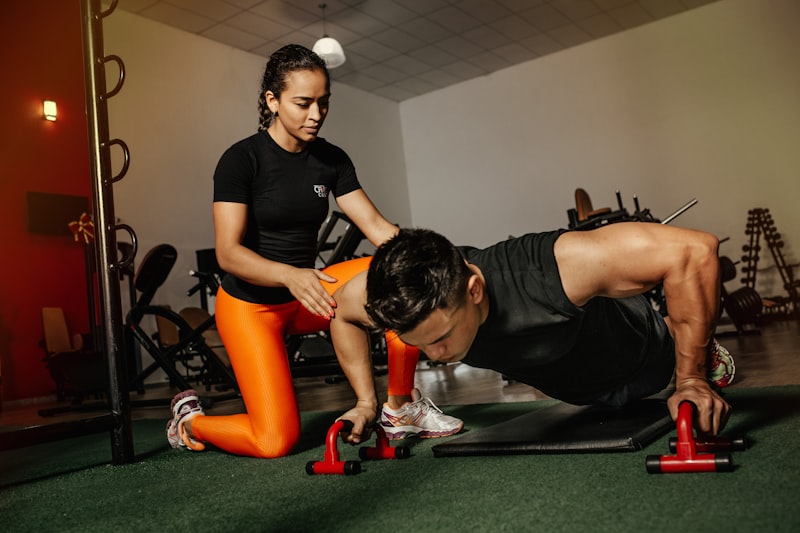
The greatest threat to your HYROX performance is not poor fitness, bad pacing, or weak technique. It is injury. An injury sustained during training does not just cost you days or weeks of sessions — it disrupts the progressive overload cycle that drives adaptation, erodes your aerobic base, and often forces you to withdraw from the race you spent months preparing for.
HYROX occupies a uniquely demanding position in the fitness landscape. Unlike a pure running event, where overuse injuries dominate, or a pure strength competition, where acute injuries from maximal loading are the primary concern, HYROX exposes athletes to both categories simultaneously. You are running eight kilometers on hard indoor surfaces while also pushing and pulling heavy sleds, performing a hundred wall balls, rowing a thousand meters, executing eighty burpee broad jumps, carrying heavy kettlebells, completing a hundred meters of sandbag lunges, and grinding through a thousand meters on the SkiErg. Each of these movements carries its own injury risk, and the cumulative fatigue of performing them in sequence amplifies every risk factor.
Research in sports medicine consistently shows that fatigue is the single greatest predictor of injury. As muscles tire, they lose their ability to absorb force effectively. Tendons and ligaments take on loads they were not designed to handle alone. Movement patterns deteriorate — knees cave inward, backs round, shoulders roll forward — and tissues that were safe under proper mechanics are suddenly subjected to forces that exceed their capacity. In HYROX, this fatigue-injury relationship is particularly relevant because athletes are performing technically demanding movements in the second half of the race when their bodies are most depleted.
The good news is that the vast majority of HYROX injuries are preventable. They follow predictable patterns, stem from identifiable causes, and respond to systematic prevention strategies. Athletes who invest time in prehabilitation exercises, respect progressive loading principles, maintain proper movement mechanics, and listen to their bodies' warning signals rarely experience serious injuries. This guide walks through every common injury associated with HYROX training and competition, explains why each one occurs, and provides specific, actionable prevention protocols.
Running-Related Injuries

Running accounts for over 60% of total HYROX race time and comprises the majority of training volume for most athletes. It is no surprise, then, that running-related overuse injuries are the most frequent issues HYROX athletes face. These injuries develop gradually — the result of repetitive stress accumulating faster than tissue can repair — and they almost always have identifiable root causes that can be addressed before a minor irritation becomes a season-ending problem.
Shin Splints (Medial Tibial Stress Syndrome)
Shin splints present as a diffuse, aching pain along the inner edge of the shinbone (tibia), typically in the lower two-thirds of the leg. The pain usually begins during running, fades with rest, and returns when activity resumes. Left untreated, shin splints can progress to a tibial stress fracture — a far more serious injury requiring weeks of complete rest.
The primary cause of shin splints in HYROX athletes is a rapid increase in running volume or intensity. Athletes who jump from 15 kilometers per week to 35 kilometers per week within a few weeks are prime candidates. Running on hard surfaces — particularly the concrete and hard floors typical of indoor HYROX venues — increases tibial loading compared to softer surfaces like grass or trails. Poor running mechanics, specifically overstriding (landing with the foot far ahead of the center of mass), significantly increases impact forces transmitted through the shin.
Prevention starts with the 10% rule: never increase weekly running volume by more than 10% from one week to the next. If you are running 20 kilometers this week, next week should not exceed 22 kilometers. Calf strengthening exercises are the most effective preventive intervention supported by research. Perform standing calf raises (3 sets of 15-20 reps daily) and seated calf raises (3 sets of 15-20 reps) to build the soleus and gastrocnemius muscles that absorb tibial loading. Tibialis anterior raises — hooking your heels on a step and lifting the toes upward — strengthen the muscle along the front of the shin and correct the strength imbalance that often underlies the condition. Running gait analysis, either professionally or through video self-analysis, can identify overstriding or heel-striking patterns that amplify shin stress.
Runner's Knee (Patellofemoral Pain Syndrome)
Runner's knee produces pain around or behind the kneecap, particularly when running downhill, squatting, or sitting with bent knees for extended periods. It is the most common running injury overall and is especially prevalent among HYROX athletes because the sport combines high running volume with heavy squatting movements like wall balls and sandbag lunges.
The condition typically stems from a combination of factors: weak quadriceps (particularly the vastus medialis oblique, the inner quad muscle that stabilizes the kneecap), tight iliotibial band and lateral quad structures, weak hip abductors and external rotators that allow the knee to collapse inward during loading, and excessive training volume without adequate recovery. In HYROX specifically, the combination of running and repeated deep squatting during wall balls and lunges places enormous demand on the patellofemoral joint.
Prevention requires a multi-pronged approach. Strengthen the VMO with terminal knee extensions, single-leg squats to parallel, and step-downs from a low box. Build hip strength with lateral band walks, clamshells, and single-leg Romanian deadlifts — strong hips keep the knee tracking properly over the toes rather than collapsing inward. Foam roll the IT band and lateral quad before running sessions to reduce lateral tension on the kneecap. Avoid sudden jumps in squatting volume; if your program calls for 100 wall balls, build toward that number over several weeks rather than attempting it in your first station practice session.
Plantar Fasciitis
Plantar fasciitis manifests as a sharp, stabbing pain in the heel or arch of the foot, worst during the first steps of the morning and at the beginning of running sessions. The plantar fascia — a thick band of connective tissue running from the heel to the toes — becomes inflamed and irritated from repetitive loading. HYROX athletes are vulnerable because they combine high running mileage with heavy loaded movements (lunges, carries, sled work) that compress the foot under substantial weight.
Prevention centers on maintaining calf flexibility and foot intrinsic strength. Tight calves increase tension on the plantar fascia with every step. Perform calf stretches (30-second holds, 3 repetitions, twice daily) and roll the arch of each foot over a frozen water bottle or lacrosse ball for two minutes per side after training. Towel scrunches — placing a towel on the floor and using your toes to scrunch it toward you — strengthen the small muscles of the foot that support the arch. Ensure your running shoes have adequate arch support and are not excessively worn. Most running shoes lose their cushioning and structural support after 600-800 kilometers; HYROX athletes who also train in their running shoes may reach this threshold faster than they expect.
IT Band Syndrome
Iliotibial band syndrome presents as pain on the outer side of the knee, often described as a sharp or burning sensation that begins during running and worsens with continued activity. The IT band, a thick strip of fascia running from the hip to just below the knee, can become irritated where it crosses the lateral femoral condyle during repetitive knee flexion and extension — the exact motion of running.
Weak hip abductors are the primary culprit. When the gluteus medius and minimus cannot adequately stabilize the pelvis during single-leg stance (which is what running essentially is — a series of single-leg stances), the IT band compensates by tightening to provide lateral stability. Over thousands of repetitions, this compensation leads to irritation. Prevention mirrors the protocol for runner's knee: strengthen the hip abductors with side-lying hip abduction, lateral band walks, and single-leg balance exercises. Foam rolling the IT band provides temporary relief but does not address the underlying weakness — it must be combined with hip strengthening to produce lasting results.
Sled Push and Pull Injuries
The sled push and sled pull are among the most physically demanding stations in HYROX, and they produce some of the most debilitating injuries when performed with poor technique or inadequate preparation. The loads are substantial — 152 kilograms for men and 102 kilograms for women in the Open division — and the body positions required to move these loads place significant stress on the lower back, shoulders, and knees.
Lower Back Strain
Lower back strain during sled work almost always stems from a loss of neutral spine position. During the sled push, athletes must maintain a forward lean with a braced core and a flat or slightly arched back. When fatigue accumulates — particularly in the second half of the push or during training when athletes are already depleted from running — the core muscles fatigue and the lower back rounds under load. This flexion-under-load pattern compresses the intervertebral discs and strains the erector spinae muscles. The sled pull is equally dangerous: athletes who do not brace their core while pulling hand-over-hand allow their spine to flex and rotate with each arm pull, creating shearing forces across the lumbar vertebrae.
Prevention begins with core strength that goes beyond crunches. Anti-extension exercises like planks, ab wheel rollouts, and dead bugs train the core to resist the spinal flexion that causes back injuries. Anti-rotation exercises like Pallof presses train the core to resist the twisting forces present during sled pulls. Practice sled work at lighter weights with a deliberate focus on maintaining a braced core and neutral spine. Film yourself from the side during sled pushes and from the front during sled pulls — you will often discover that your back position deteriorates far earlier than you feel it happening. Build your sled weight progressively: do not jump to race weight until you can maintain perfect form at 70-80% of race weight for the full distance.
Shoulder Impingement from Sled Push
Athletes who push the sled with internally rotated shoulders — arms high, elbows flared, shoulders rolled forward — compress the supraspinatus tendon and subacromial bursa between the humeral head and the acromion. This impingement pattern is common among athletes who grip the sled handles too high and push with their upper body rather than driving through their legs. The correct sled push position involves hands at approximately chest height, elbows tucked, shoulders pulled back and down, with the majority of force generated by the legs and transmitted through a rigid torso. Prevention includes strengthening the external rotators of the shoulder with band pull-aparts and face pulls, and practicing sled pushes with a conscious focus on keeping the shoulders packed down and back.
Knee Issues During Sled Work
The deep knee bend required for effective sled pushing — particularly the initial breakaway push that gets the sled moving — places significant stress on the patellar tendon and menisci. Athletes who drive off the balls of their feet with an excessively narrow stance are especially vulnerable to patellar tendon irritation. The prevention strategy is twofold: strengthen the quadriceps and patellar tendon through progressive loading with exercises like Spanish squats and single-leg leg presses, and ensure your pushing stance is wide enough (shoulder-width or slightly wider) to distribute force evenly across both legs.
Warm-Up Protocol for Sled Work
Before any sled session, perform a minimum of 10 minutes of targeted warm-up. Begin with 3 minutes of light running or cycling to elevate core temperature. Follow with bodyweight squats (2 sets of 10), walking lunges (10 per leg), and glute bridges (2 sets of 15) to activate the muscles that drive sled movement. Perform band pull-aparts (2 sets of 15) and dead bugs (2 sets of 10) to prepare the shoulders and core. Finally, push the empty sled or a lightly loaded sled for 25 meters before loading to race weight. This progressive warm-up ensures that joints are lubricated, muscles are activated, and neural pathways are primed before heavy loading begins.
Upper Body Station Injuries
Three HYROX stations — the SkiErg, wall balls, and rowing — place substantial demands on the upper body. Each involves repetitive overhead or pulling movements that, when performed with fatigued or poorly conditioned shoulders and backs, lead to predictable injury patterns.
SkiErg Shoulder Strain
The SkiErg requires 1,000 meters of continuous vertical pulling, driving the handles from overhead to hip level with each stroke. The movement loads the latissimus dorsi, posterior deltoid, and triceps through a large range of motion. Shoulder strain occurs when athletes attempt to generate power by yanking the handles aggressively with their arms rather than initiating the pull with a core crunch and lat engagement. This arm-dominant technique overloads the smaller shoulder muscles and can irritate the long head of the biceps tendon where it attaches at the top of the shoulder socket.
The fix is primarily technical. A proper SkiErg stroke begins with a slight hinge at the hips, engages the lats to initiate the pull, and uses the core crunch to drive the handles downward. The arms are transmission lines, not primary movers. Athletes who master this technique can sustain higher power outputs with less shoulder fatigue. Strengthening the lats with straight-arm pulldowns and the rear deltoids with reverse flyes builds the muscular capacity to maintain proper technique through all 1,000 meters.
Wall Ball Wrist and Shoulder Issues
One hundred wall balls (or 75 in the Women's Open division) involve catching a 9kg or 6kg ball at chest height, squatting, then throwing it to a target three meters (men) or 2.7 meters (women) overhead. The repetitive overhead throwing motion places cumulative stress on the shoulder, particularly the rotator cuff muscles that decelerate the arm at the top of each throw. Wrist strain is also common, particularly in athletes who catch the ball with rigid, extended wrists rather than absorbing impact with soft hands and slightly flexed wrists.
Rotator cuff strengthening is the cornerstone of wall ball injury prevention. External rotation exercises with a light resistance band (3 sets of 15 reps, three times per week), performed at various arm positions (elbow at side, elbow at 90 degrees of abduction), build the small stabilizer muscles that protect the shoulder joint during overhead movements. Internal rotation work is equally important for balancing the forces around the shoulder. For wrist protection, practice catching the ball with bent elbows and relaxed hands, allowing the arms to absorb impact progressively rather than stopping the ball abruptly. Wrist curls and extensions with a light dumbbell (2-3 kilograms, 3 sets of 15) build the forearm muscles that stabilize the wrist during impact.
Rowing Back Problems
The 1,000-meter row involves approximately 40-50 strokes at race intensity, each requiring a powerful leg drive, hip hinge, and horizontal pull. Lower back problems arise from two technical errors: rounding the lumbar spine at the catch position (the forward-most position where the legs are compressed) and hyperextending the spine at the finish position (leaning too far back at the end of each stroke). Both positions place the lumbar spine under stress, and repeating them 40 or more times — particularly after several stations have already fatigued the core — can strain the erector spinae muscles or irritate the intervertebral discs.
Proper rowing technique maintains a neutral spine throughout the stroke. At the catch, the shins are vertical, the arms are extended, and the trunk leans forward slightly from the hips with a flat back. The drive sequence is legs, then hips, then arms — never arms first, which collapses the back. At the finish, the trunk leans back only slightly past vertical — approximately 10 degrees, no more. Prevention includes hip hinge drills (Romanian deadlifts, kettlebell swings) that teach you to flex and extend at the hips rather than the spine, and thoracic mobility work (foam roller extensions, cat-cow stretches) that ensures your upper back has the flexibility to maintain proper posture throughout the stroke.
Burpee Broad Jump Injuries
The burpee broad jump station requires 80 meters of continuous burpee broad jumps — a demanding combination of a chest-to-floor burpee immediately followed by a standing broad jump. Each repetition involves a full body descent to the floor, a push-up, a jump to standing, and an explosive forward leap. Depending on an athlete's jump distance, this translates to approximately 35-50 repetitions. The movement stresses multiple joints and creates several injury opportunities.
Wrist Impact Injuries
Each burpee begins with placing the hands on the floor and lowering the body, then pressing back up — essentially a push-up on a hard surface. Over 40 or more repetitions, the cumulative impact on the wrists can irritate the carpal bones, the triangular fibrocartilage complex (TFCC), or the wrist extensors. Athletes who slap their hands down aggressively rather than lowering themselves in a controlled manner experience the highest impact forces. Prevention includes wrist mobility circles before training (10 clockwise, 10 counterclockwise), wrist strengthening exercises (wrist curls, extensions, and radial/ulnar deviations with light resistance), and practicing a controlled descent rather than a freefall to the floor. Some athletes benefit from performing burpees on a slightly cushioned surface during training, though race-day surfaces are typically hard.
Lower Back Stress
The rapid transition from a prone position (lying on the floor) to standing and jumping places significant demand on the erector spinae and multifidus muscles. Athletes who use their lower back rather than their hip flexors and core to initiate the standing phase — essentially performing a back extension off the floor rather than snapping the feet forward and using leg drive to stand — accumulate stress in the lumbar region. This pattern worsens as fatigue accumulates: in the first 10 burpees, the athlete may use proper hip-drive technique, but by repetition 30, the tired core defaults to a back-dominant pattern.
Core endurance — the ability to maintain bracing force over extended repetitions — is the key preventive measure. Dead bugs, bird dogs, and extended plank holds (60 seconds or more) build the sustained core activation needed to protect the back through dozens of burpee repetitions. Practice high-volume burpee sets during training (3-4 sets of 15-20 reps) to condition the movement pattern under fatigue and identify when your technique starts to break down.
Knee Landing Forces
Each broad jump lands with both feet simultaneously, transmitting ground reaction forces through the ankles, knees, and hips. When athletes land with stiff legs rather than absorbing impact through a soft, flexed-knee landing, the knee joint bears excessive compressive force. Over 40 or more landings, this can irritate the patellar tendon, the menisci, or the articular cartilage. The solution is to practice soft landings: land with knees bent, weight on the midfoot, and allow the hips and knees to flex to absorb impact. Eccentric quad strengthening — slow, controlled descent in squats and step-downs — builds the specific type of muscle action needed to decelerate the body during landing.
Farmers Carry and Lunge Injuries
The Farmers Carry (200 meters with heavy kettlebells) and sandbag lunges (100 meters of walking lunges holding a sandbag) are the two stations that most ruthlessly expose muscular imbalances. Both require unilateral stability — the ability to control your body on one leg at a time — and both impose heavy loads on structures that are already fatigued from earlier stations.
Grip Failure and Its Consequences
Grip failure during the Farmers Carry is not just a performance problem — it is an injury risk. When grip strength fails, athletes either drop the kettlebells (risking foot or shin impact) or compensate by shifting load to the wrists, forearms, and shoulders in awkward positions. The sudden transition from a secure grip to a failing grip causes the shoulder to hike, the trunk to lean, and the opposite side to bear asymmetric load. Repeated set-downs and pick-ups also increase lower back loading, as athletes must deadlift the kettlebells from the ground multiple times.
Grip strength must be trained specifically and consistently. Dead hangs from a pull-up bar (3 sets to failure, three times per week) build baseline grip endurance. Farmers walks at race weight or slightly above for distances exceeding 200 meters ensure that your grip will not be the limiting factor. Towel hangs — hanging from a pull-up bar with a towel draped over it — develop the crush grip specific to kettlebell handles. Fat grip attachments on dumbbells during regular training increase grip demand without requiring additional training time.
Shoulder Imbalances During Carries
The Farmers Carry loads both shoulders in a depressed, stabilized position for 200 meters. Athletes with pre-existing shoulder imbalances — one side weaker than the other, or one shoulder that sits higher due to upper trapezius dominance — experience asymmetric loading that can irritate the weaker shoulder. The upper trapezius on the weaker side contracts excessively to stabilize the load, leading to neck and shoulder pain. Prevention includes single-arm carries during training to identify and correct side-to-side imbalances, and upper trapezius stretches and levator scapulae stretches to release chronic tension in the neck and shoulder region.
Knee Tracking Issues During Lunges
Sandbag lunges demand 100 meters of walking lunges — approximately 50 per leg — while holding a 20kg (men) or 10kg (women) sandbag. The most common injury mechanism is medial knee collapse: the knee of the forward leg drifts inward during the descent phase of the lunge, placing shearing force on the medial collateral ligament and compressive force on the lateral meniscus. This valgus pattern is more prevalent in athletes with weak hip abductors and external rotators, tight adductors, and poor single-leg stability.
The Bulgarian split squat is the single best preventive exercise for lunge-related knee issues. It trains single-leg strength through a full range of motion while demanding the hip and core stability to keep the knee tracking over the toes. Start with bodyweight, progress to holding dumbbells, and eventually add a sandbag to replicate race conditions. Perform 3 sets of 10-12 per leg, two to three times per week. Lateral band walks before lunge sessions activate the gluteus medius and prime the neural pattern of resisting knee valgus during stepping movements.
Pre-Race Mobility Routine
A targeted 15-minute warm-up before a HYROX race prepares your joints, muscles, and nervous system for the demands ahead. This routine has been designed to address every movement pattern you will encounter during the race, performed in a sequence that progressively increases intensity. Do not stretch cold muscles — begin with light movement to raise your core temperature before performing any dynamic stretches.
Minutes 1-3: General Activation
Begin with an easy jog or brisk walk (2 minutes) followed by 30 seconds of high knees and 30 seconds of butt kicks. This elevates your heart rate to 100-120 beats per minute, increases blood flow to the working muscles, raises core temperature by approximately one degree Celsius, and begins lubricating your joints with synovial fluid. Keep the intensity conversational — this is not a workout, it is preparation.
Minutes 3-6: Lower Body Dynamic Stretches
Perform each movement for approximately 30 seconds or 10 repetitions per side. Walking leg swings (forward and back) open the hip flexors and hamstrings through their full range of motion. Lateral leg swings address the adductors and abductors. Walking lunges with a torso twist mobilize the hips, thoracic spine, and core simultaneously. Calf pedals (alternating heel drops from a step or raised surface) prepare the Achilles tendon and calf complex for the impact of running. Deep bodyweight squats held for 3-5 seconds at the bottom position prepare the knees, ankles, and hips for wall ball and lunge stations.
Minutes 6-9: Upper Body and Thoracic Mobility
Arm circles (10 forward, 10 backward, progressing from small to large) warm up the shoulder joint. Band pull-aparts (15 reps) activate the rear deltoids and rhomboids that stabilize the shoulder during rowing, SkiErg, and sled pull movements. Cat-cow stretches (10 repetitions) mobilize the thoracic spine and prepare the erector spinae for the demands of rowing and sled work. Wrist circles (10 each direction) and wrist flexion-extension stretches prepare the forearms for wall ball catches and burpee impacts.
Minutes 9-12: Movement Pattern Priming
Perform abbreviated versions of race movements to activate the specific neural pathways you will use during competition. Five bodyweight thrusters mimic the wall ball squat-to-press pattern. Five burpees without the broad jump warm up the chest-to-floor-to-standing transition. A 10-second dead hang activates grip strength for the Farmers Carry. Ten alternating bodyweight lunges prime the single-leg mechanics you will need for the sandbag lunge station. This priming phase bridges the gap between general warm-up and race-specific demands.
Minutes 12-15: Nervous System Activation
Finish with three 30-second building runs that progress from easy jog to approximately 80% of your target race pace. These strides activate your fast-twitch muscle fibers, calibrate your running mechanics at pace, and shift your nervous system from rest mode to performance mode. Walk for 30 seconds between each stride to recover. Close with 30 seconds of controlled breathing — four counts in through the nose, four counts out through the mouth — to regulate your heart rate and mental state before the race begins.
Training Through Pain vs Resting
Every serious athlete faces this dilemma at some point in their training: something hurts, and they must decide whether to push through or shut it down. The decision has real consequences in both directions. Resting unnecessarily costs training days and can create anxiety about falling behind. Training through a genuine injury converts a minor issue into a major one and can end your season. The challenge is that the line between acceptable training discomfort and injury-signaling pain is not always obvious.
Pain That Is Acceptable to Train Through
Delayed onset muscle soreness (DOMS) — the diffuse, dull ache that appears 24-48 hours after hard training — is not an injury. It is the normal inflammatory response to exercise-induced muscle damage, and it resolves within 72 hours without intervention. Training at reduced intensity on sore muscles is generally safe and can actually accelerate recovery through increased blood flow. The key identifiers of DOMS: it is bilateral (both legs, not just one), diffuse (spread across a muscle group rather than localized to a single point), and diminishes with movement rather than worsening.
General fatigue and heaviness in the legs during a training block, particularly during the build and peak phases, is also normal. Your legs may feel sluggish on easy runs, your pace may drift slower than usual, and your motivation may wane. These are signs that training load is high but manageable — they should resolve during deload weeks and taper periods.
Pain That Requires Rest
Sharp, localized pain during a specific movement is the most important red flag. If you feel a sharp pain at a specific point on a bone, tendon, or joint during running or station work, stop immediately. This type of pain indicates structural stress that is approaching or has exceeded tissue tolerance. Continuing to load the tissue risks converting a stress reaction into a stress fracture, or a tendon irritation into a tear.
Pain that worsens during a training session — rather than diminishing as you warm up — is a clear signal to stop. Many overuse injuries produce mild discomfort at the start of exercise that fades as blood flow increases and tissues warm up. When pain increases during activity despite adequate warm-up, the tissue is being actively damaged and continued loading is harmful.
Night pain — pain that wakes you from sleep or prevents falling asleep — indicates a level of tissue irritation that requires medical attention. Swelling in a joint, visible bruising without a direct impact, and inability to bear weight are all signs that the injury is beyond self-management.
Red Flags That Demand Immediate Medical Attention
Sudden, severe pain during an explosive movement (sled push breakaway, broad jump landing, sprint start) suggests an acute muscle tear, ligament sprain, or tendon rupture. Do not test the area — stop activity, apply ice, and seek medical evaluation. Chest pain, dizziness, or difficulty breathing during exercise requires immediate cessation and medical assessment. Numbness, tingling, or radiating pain down a limb (particularly from the lower back into the leg or from the neck into the arm) suggests nerve involvement that warrants professional evaluation. Any injury that does not improve after 10-14 days of rest and self-care should be assessed by a sports medicine professional.
Post-Race Recovery Timeline
HYROX imposes a level of systemic stress that most athletes underestimate until they experience the 48 hours after their first race. The combination of eight kilometers of running, heavy sled work, hundreds of repetitions of functional movements, and the adrenal stress of competition creates muscle damage, glycogen depletion, immune suppression, and nervous system fatigue that takes 10-14 days to fully resolve. Rushing back to hard training within a few days of racing is a common cause of post-race injury and illness.
Race Day (Day 0)
Immediately after finishing, walk for 10-15 minutes to gradually reduce your heart rate and begin flushing metabolic waste from the muscles. Rehydrate with water or an electrolyte beverage — you will have lost 1-3 liters of fluid during the race depending on the venue temperature. Consume a carbohydrate-rich meal or snack within 60 minutes of finishing to begin replenishing glycogen stores. Avoid static stretching in the first two hours — your muscles are damaged and inflamed, and aggressive stretching can worsen micro-tears. Gentle movement and walking are the best immediate recovery tools.
Days 1-3: Acute Recovery Phase
DOMS will peak 24-48 hours after the race. Walking may be uncomfortable, stairs may require handrails, and sitting down onto a chair may feel like an event in itself. This is normal. Light walking (20-30 minutes), very gentle swimming, or cycling at minimal resistance promotes blood flow without imposing additional mechanical stress on damaged tissues. Sleep is the most powerful recovery tool available — aim for 8-9 hours per night during this phase. Protein intake should be elevated to 1.6-2.0 grams per kilogram of body weight to provide the amino acids needed for muscle repair. Anti-inflammatory foods (fatty fish, berries, turmeric, dark leafy greens) support the recovery process without the potential downsides of anti-inflammatory medications, which some research suggests may impair muscle healing when used chronically.
Days 4-7: Return to Movement
DOMS should be largely resolved by day four. Begin with easy Zone 2 runs of 20-30 minutes, paying attention to how your joints feel — particularly the knees, ankles, and lower back. If running produces any sharp or localized pain, substitute with cycling or swimming for an additional two to three days. Light bodyweight strength work (air squats, push-ups, rows with light resistance) can resume during this period. Avoid any high-intensity running, heavy lifting, or station-specific practice. Your muscles may feel recovered, but the connective tissues (tendons, ligaments, cartilage) take longer to heal and are vulnerable to overload during this window.
Days 8-14: Progressive Return to Training
By the second week, you can begin reintroducing structured training at reduced volume and intensity — approximately 60-70% of your pre-race training load. Add a tempo run or short interval session during this period, monitoring for any residual soreness or joint stiffness. Station-specific work can resume with lighter-than-race weights. Most athletes feel fully recovered by day 10-12, but the temptation to immediately return to peak training loads should be resisted. Use the second week as a mini base-building phase that allows full tissue recovery before resuming hard training.
Building Resilience: Prehab and Progressive Loading
The most effective injury prevention strategy is not reactive — it is proactive. Prehabilitation (prehab) involves systematically strengthening the tissues most vulnerable to injury before they become symptomatic. Progressive loading ensures that training stress increases at a rate your body can adapt to, rather than spiking unpredictably. Together, these principles build an athlete who is durable enough to sustain months of demanding HYROX training without breaking down.
Essential Prehab Exercises for HYROX Athletes
The following exercises should be performed 3-4 times per week, either as a standalone 15-minute session or integrated into your warm-up before training. They target the specific tissues and movement patterns that are most vulnerable in HYROX training.
Copenhagen Adductor Exercise. Lie on your side with the top foot on a bench and the bottom leg hanging. Lift the bottom leg to contact the bench and hold for 3 seconds. Perform 3 sets of 8-10 per side. This exercise has been shown in multiple research studies to significantly reduce groin injury rates. The adductors are heavily loaded during lunges, sled work, and lateral stability during running.
Nordic Hamstring Curl. Kneel on a padded surface with a partner or anchor holding your ankles. Slowly lower your body toward the floor using your hamstrings to control the descent, catching yourself with your hands at the bottom. Perform 3 sets of 5 (or as many controlled reps as possible for beginners). Nordics develop the eccentric hamstring strength that protects against hamstring strains during running, particularly at higher speeds. Research in professional football has demonstrated up to a 65% reduction in hamstring injury rates with consistent Nordic curl programs.
Single-Leg Calf Raise (Elevated). Stand on one foot on a step or raised surface, allowing the heel to drop below the level of the step. Rise fully onto the toes, pause at the top, then lower slowly (3-second descent). Perform 3 sets of 12-15 per leg. This exercise builds both calf strength and Achilles tendon resilience. The slow eccentric (lowering) phase is particularly important for tendon health, as it stimulates collagen synthesis and improves tendon stiffness — the exact adaptation needed to resist the repetitive loading of running.
Banded External Rotation. Attach a light resistance band at elbow height. Stand sideways to the anchor, hold the band with the far hand, and rotate the forearm outward while keeping the elbow pinned to your side. Perform 3 sets of 15 per side. This strengthens the infraspinatus and teres minor — the rotator cuff muscles that decelerate the arm during overhead movements (wall balls, SkiErg) and stabilize the shoulder during pulling movements (sled pull, rowing).
Pallof Press with Hold. Attach a resistance band at chest height. Stand perpendicular to the anchor and press the band directly forward with both hands, holding the extended position for 5 seconds. Perform 3 sets of 8 per side. This is the single best exercise for developing the anti-rotation core strength that protects your spine during asymmetric loading (sled pull, single-arm movements) and maintains trunk stability during running.
Progressive Loading Principles
The principle of progressive overload states that training stimulus must increase gradually over time to drive adaptation. The corollary — the one most athletes ignore — is that the rate of increase must not exceed the rate of tissue adaptation. Muscles adapt relatively quickly, gaining strength and endurance within 2-4 weeks of a new training stimulus. Tendons adapt more slowly, requiring 6-12 weeks of consistent loading to increase stiffness and cross-sectional area. Bone adaptation is slowest of all, taking 12 or more weeks to remodel in response to mechanical loading.
This disparity explains why overuse injuries are so common during training blocks. An athlete increases running volume and feels stronger — their muscles have adapted. But their Achilles tendons, patellar tendons, and tibial bone have not yet caught up. The muscles can produce and absorb force that the tendons and bones cannot withstand, and the weaker link fails. The solution is to increase training volume conservatively (the 10% rule for running, 5-10% increases in training loads for strength work) and to include deliberate tendon-loading exercises (slow eccentrics, isometric holds) that accelerate connective tissue adaptation.
Building Durability Over a Training Block
A 12-week HYROX training block should be viewed not just as fitness development but as tissue preparation. The base phase (weeks 1-4) is where you build the structural resilience that protects you during the demanding peak phase (weeks 9-11). Athletes who skip the base phase and jump directly into high-intensity, high-volume work are betting that their tissues can handle loads they have not been prepared for. That bet frequently fails.
Deload weeks — where training volume is reduced by 30-40% while maintaining some intensity — are essential for allowing connective tissue repair and preventing the accumulation of micro-damage that leads to overuse injuries. Schedule a deload week every three to four weeks throughout your training block. During deload weeks, prehab exercises continue at full volume (they are low-intensity by nature), running volume drops significantly, and strength work is lighter with a focus on movement quality rather than load.
Sleep quality and quantity directly influence injury risk. Research has shown that athletes who consistently sleep fewer than seven hours per night are 1.7 times more likely to sustain an injury compared to those sleeping eight or more hours. Sleep is when your body releases growth hormone, repairs damaged tissue, and consolidates the neural patterns learned during training. Prioritizing sleep is not a luxury — it is the most cost-effective injury prevention strategy available.
Nutrition also plays a direct role in tissue resilience. Adequate protein intake (1.6-2.0 grams per kilogram of body weight per day) provides the amino acids needed for muscle and tendon repair. Vitamin C is required for collagen synthesis — the structural protein of tendons and ligaments. Calcium and vitamin D support bone density, particularly important for runners at risk of stress fractures. A diet rich in varied whole foods typically provides these nutrients in sufficient quantities, but athletes with dietary restrictions should consider targeted supplementation after consulting with a sports dietitian.
Finally, learn to distinguish between productive training stress and destructive training stress. Productive stress leaves you fatigued but recovering within 48 hours, hitting training targets, and progressing week to week. Destructive stress manifests as persistent fatigue that does not resolve with sleep, declining performance despite maintained effort, nagging pains that linger between sessions, disrupted sleep patterns, frequent illness, and loss of motivation. These are signs that your training load has exceeded your recovery capacity. The solution is not to push through — it is to reduce volume, increase recovery, and potentially consult a coach or sports medicine professional to reassess your training plan.
The athletes who perform best on race day are not always the ones who trained the hardest. They are the ones who trained the most consistently — who arrived at the start line healthy, recovered, and confident in a body that had been systematically prepared for every demand the race would impose. Injury prevention is not a separate component of training. It is the foundation upon which everything else is built.
References
- Lauersen, J.B., Bertelsen, D.M., & Andersen, L.B. (2014). The Effectiveness of Exercise Interventions to Prevent Sports Injuries: A Systematic Review and Meta-Analysis. British Journal of Sports Medicine, 48(11), 871-877.
- van Mechelen, W., Hlobil, H., & Kemper, H.C.G. (1992). How Can Sports Injuries Be Prevented? Sports Medicine, 14(3), 154-164.
- Behm, D.G. et al. (2016). Acute Effects of Muscle Stretching on Physical Performance, Range of Motion, and Injury Incidence in Healthy Active Individuals. Applied Physiology, Nutrition, and Metabolism, 41(1), 1-11.
- Soligard, T. et al. (2008). Comprehensive Warm-up Programme to Prevent Injuries in Young Female Footballers: Cluster Randomised Controlled Trial. BMJ, 337, a2469.